In the world of textiles, linen occupies a rare throne. Its beauty is not merely in the surface sheen or the crispness of a hem, but in the story behind every fiber: how long the flax was grown, how skillfully the yarn was spun, and how meticulously the fabric was finished. Thread count may whisper luxury, but true linen speaks in years, not inches. This guide will empower you to judge linen quality with a discerning eye, drawing upon industry history, expert insights, and practical buyer tips.
Part I: The Long Story of Linen — Fiber Length and Authenticity
Linen is born from flax, yet not all flax fibers are created equal. The hallmark of superior linen lies in long-staple flax fibers. These longer fibers produce yarns with greater strength, reduced fuzz, and a hand that remains refined after repeated washes. When you encounter fabrics advertised as “100% linen” or “extra-long-staple linen,” you’re often facing not just material purity but a commitment to durability and drape that becomes more evident over time.
In fashion and home textiles, authenticity matters. Look for details that reveal provenance and fiber integrity. For the bedding category, a linen shell should feel crisp yet breathable, with an even texture that doesn’t pill. For towels or bath linens, you’ll want a surface that shows absorbency without roughness, a sign of well-processed fibers and careful finishing.
Historical perspective
Historically, linen has been woven in regions famed for flax cultivation and weaving expertise — Ireland, Belgium, Italy, and Lithuania among them. For centuries, artisans understood that the best linen begins with the flax plant and ends with patient finishing work. In fashion and interiors, this lineage translates into fabrics that carry a quiet authority: fibers that stand up to time and laundering while preserving a natural luster that no synthetic alternative can truly replicate.
Part II: Weave, Weave, Weave — How Weave Structures Signal Quality
The weave architecture determines how a fabric behaves under stress and wash. For linen, the weave is often plain or a variation such as herringbone or satin, each imparting a distinct hand and appearance. A plain weave tends to be durable and crisp, ideal for sheet sets and duvet covers that benefit from strong structure. Sateen or satin-weave linen blends offer a softer, more draped hand, which some sleepers prefer for a luxurious feel.
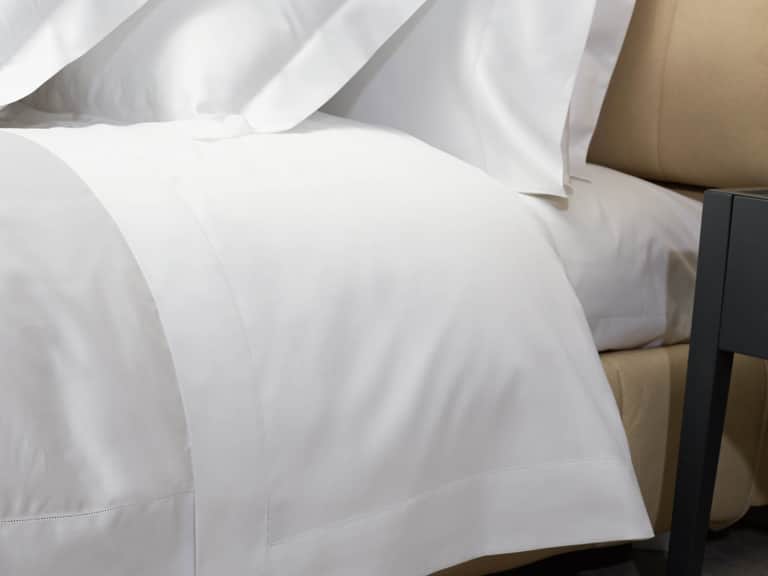
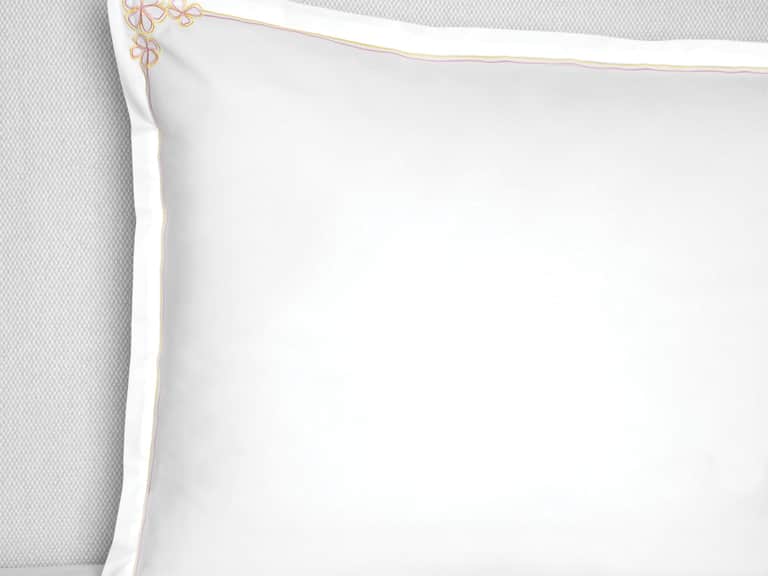
Edge finishing and construction details are equally telling. A hemstitch finish, for instance, can elevate the elegance of a bedding piece, signaling attention to detail. Check for even stitching along hems and a consistent edge; uneven stitching can hint at shortcuts in production that may impact longevity. In bath linens, look for a dense terry or a carefully plied loop that promises robust absorbency without becoming rough after multiple launderings.
Historical weaving traditions
Weaving traditions—from hand-guided loom work to modern industrial processes—have always shaped the tactile signature of linen. The very best linens often carry a “made in” where skilled artisans have underwritten the final product with a signature finish. The result is a fabric that gains character with age, becoming softer, more nuanced, and more beloved as it cushions daily rituals of sleep and self-care.
Part III: Finishing Techniques — The Quiet Details that Define Luxury
Finishing can make or break the perceived luxury of linen. Finishing creates the fabric’s surface hand, brightness, and resistance to pilling or color fade. In high-end linens, a refined hemstitch, a piece-dyed finish, or a controlled bleaching process can contribute to a pristine yet lived-in look that endures. The Fiesole flat sheet, for example, demonstrates how 1000-thread-count long-staple cotton—though not linen—illustrates a parallel principle: meticulous finishing yields brightness and a silky hand that remains consistent with laundering. In linen, a line-ready finish must balance softness with crispness, ensuring fabrics wear beautifully rather than collapse under weight or washing pressure.
When evaluating finishing, consider: - Surface hand: Does the fabric feel crisp, cool, or buttery smooth? - Colorfastness: Will the dye maintain its hue after repeated washes? - Dimensional stability: Does the fabric resist shrinkage and maintain a consistent fit on bedding structures?
Part IV: Ethical Sourcing — The Moral Compass of Linen Quality
Quality is inseparable from responsibility. The finest linen programs emphasize ethical sourcing—from flax cultivation to factory conditions. Transparent supply chains allow readers to trace the life cycle of a textile, from seed to spool to sheet. When evaluating quality, preference should be given to products and brands that disclose fiber origin, farming practices, and labor standards. This is not just a matter of ethics; it is a testament to the fabric’s longevity and environmental footprint. Linen grown with sustainable agriculture and produced in facilities committed to fair labor practices often yields fabrics that age gracefully—proof that luxury and responsibility can coexist.
Part V: Practical Buyer Tips — Reading Descriptions and Questions to Ask Suppliers
To translate textile theory into practical shopping, it helps to approach product descriptions as you would a couture lookbook: with an eye for the telltale details. Here are actionable tips to guide your linen shopping:
- Look for fiber length and origin in descriptions. Terms like “extra-long-staple flax” or “long-staple cotton” indicate quality control in the fiber stage.
- Question finishing processes. Ask if hemstitching, piece-dyed finishes, or special calendering impact care and durability.
- Inspect weave and weight. For bedding, aim for fabrics with a breathable weight that suits your climate; for towels, prioritize a denser texture that balances absorbency with quick-drying properties.
- Consider thread count in linen context. Unlike cotton, thread count is not the sole arbiter of quality; the fiber’s length and the weave matter more for linen’s feel and longevity.
- Request care guidelines and warranty information. Proper care extends the life of linen, preserving its color and texture over time.
Part VI: A Vogue-Curated Selection — From the shelf to your bed
Let’s consider a real-world exemplar from a curated linen program to illustrate how these principles translate into a product you might add to your sanctuary. The Fiesole Flat Sheet, a standout in the 1000-thread-count domain, embodies the synthesis of luxury and durability that linen purists seek. While the Fiesole example in itself is a cotton sateen, the narrative around it helps illuminate how finishing, thread count, and origin shape perceptions of quality across fibers. For linen enthusiasts, look for analogous signals: long-staple flax, precise loom work, and a finish that preserves colorfastness and softness through repeated laundering.
A note on the product example
The Fiesole Flat Sheet represents a benchmark in its own right: a 1000 thread-count, long-staple cotton sateen finished in Italy with a hemstitch. Its careful finishing demonstrates how a high-quality finish can elevate the everyday experience of bedding. While it is not linen, the principles of fiber length, weave quality, and finishing are universal across luxury textiles. In the same spirit, a linen equivalent would derive its luxury from flax fiber length, a premium loom weave, and a refined finishing that stands up to washing and time without losing its crispness.
Part VII: A Short List of Time-Traveling Voices — 3 Key Individuals Who Shaped Linen Quality Standards
Linen’s prestige has always been a conversation between generations. Here are three influential figures from distinct eras who left an imprint on how we perceive linen quality today.
-
Medieval Loom-Master: Aegidius the Weaver (c. 12th century)
A legend among early European textile guilds, Aegidius advanced loom techniques that refined fiber alignment and thread consistency. His work contributed to more even linen fabrics, improving uniformity and reduce pilling, a hallmark of early linen’s enduring reputation. His methods laid groundwork for the precise control over weave density that modern linen fabrics continue to refine.
-
19th-Century European Textile Chemist: Dr. Lucille Arnoux (late 1800s)
A pioneer in finishing and dye chemistry, Arnoux advanced colorfastness and laundering resilience in luxury textiles. Her research informed safer, more stable finishes that preserved brightness and texture after repeated washing—principles that underpin today’s premium linens and the discipline of care guides that accompany them.
-
Contemporary Linen Historian and Designer: Elena Vassallo (21st century)
A leading voice in heritage textiles, Vassallo connects flax farming traditions with modern sustainable practices. Her scholarship emphasizes provenance, ethical sourcing, and the storytelling power of linen. She advocates for transparency in supply chains, a principle echoed in high-end brands that publish origin and manufacturing details—an essential component of the luxury shopper’s discernment today.
Part VIII: A Practical Reading List for the Linen Curator
To deepen your understanding beyond this guide, consider these focused reads and sources (with a Vogue-friendly sensibility to tone and presentation):
- Historical monographs on flax cultivation and linen weaving in Belgium and Ireland, tracing the lineage of linen’s prestige.
- Technical texts on yarn spinning for long-staple fibers and how yarn twist affects hand and durability.
- Contemporary sustainability reports from textile houses that detail supply chain ethics and environmental stewardship.
Brand Spotlight: The Fiesole Flat Sheet — A Case Study in Finishing
The Fiesole Flat Sheet stands as a cinematic example of how finishing elevates linen-inspired luxury. Although it is cotton, the signaling remains instructive: a 1000-thread-count substrate, precise hemstitching, and a refined Italian finish. For linen, the equivalent would be flax-based fiber length, a robust weave, and finishing that preserves hydration of the fabric while maintaining brightness. In real-world shopping, you can translate this blueprint into linen purchases by prioritizing fiber length, weave integrity, and transparent sourcing.
Below, we present a practical, Vogue-approved decision framework for evaluating linen quality when shopping in a modern luxury landscape.
- Fiber fundamentals: Seek flax that is clearly described as long-staple or extra-long-staple. Prefer labels that indicate origin and farming methodology.
- Weave and structure: Favor plain or traditional weaves with even tension; note any patterned finishes that indicate a deliberate design choice rather than a decorative afterthought.
- Finishing finesse: Look for documented finishing steps (calendering, ironing, or softening) that align with care instructions and colorfastness guarantees.
- Ethical cornerstone: Require transparent sourcing details and labor standards. Luxury is inseparable from responsibility.
Product Spotlight: Fiesole Flat Sheet — A Luxe Reference Point
Product: Fiesole Flat Sheet
A 1000 thread-count, long-staple cotton sateen flat sheet finished in Italy. It delivers a silky hand and luminous brightness, with refined hemstitching that underscores quiet elegance. Crafted to last, this piece exemplifies how a sophisticated finish can elevate everyday bedding into a ritual of luxury.
Price: 965.00 USD
Closing Thoughts — Linen, Time, and a Quietly Confident Home
In a world where aesthetics often chase the latest trend, linen remains a steadfast ally. It is a fabric that ages with grace, inviting a sense of ritual rather than haste. To curate a linen collection that feels distinctly modern yet enduringly classic, prioritize fiber length, weave integrity, and responsible finishing. The luxury of linen is not a single moment of purchase; it is a continuous conversation between fabric and life — a conversation you deserve to have with confidence.